Positioning Statement สำหรับ B2B — April Dunford Framework 2026
เรียนรู้วิธีออกแบบ positioning statement ตาม April Dunford framework สำหรับ B2B ไทย พร้อม 5 ขั้นตอน template และตัวอย่างที่ใช้ได้จริงปี 2026

Positioning Statement ที่ใช้ได้จริง — April Dunford Framework สำหรับ B2B ปี 2026
Last updated: 2026-06-08 · เขียนโดย Brad K
ธุรกิจ B2B ไทยจำนวนมากตอบไม่ได้ภายใน 30 วินาทีว่า “ลูกค้าเลือกคุณแทนใคร และเพราะอะไร” — ผลคือทีม sales พูดไม่ตรงกัน, ทีม marketing ยิงโฆษณาไปกลุ่มผิด, และ landing page convert ได้ต่ำ positioning statement ที่ดีคือคำตอบของปัญหานี้ทั้งหมด — มันไม่ใช่ slogan สวย ๆ แต่คือ “เอกสารภายใน” ที่บอกว่าคุณคือใครในตลาด ใครคือ ideal customer และทำไมเขาควรเลือกคุณแทน competitive alternatives
April Dunford ผู้เขียน Obviously Awesome เปลี่ยนวงการ B2B positioning ด้วย framework 5 องค์ประกอบที่ทำให้ทีมทั้งบริษัทเห็นภาพตรงกัน บทความนี้จะพาคุณออกแบบ positioning statement ของตัวเองทีละขั้น พร้อม template และตัวอย่างที่ปรับให้เข้ากับตลาด B2B ไทย
Key Takeaways: positioning statement ตาม April Dunford framework ประกอบด้วย 5 องค์ประกอบ — competitive alternatives, unique attributes, value, target customer และ market category การออกแบบที่ดีเริ่มจาก “ลูกค้าเลือกคุณแทนใคร” ไม่ใช่ “คุณคือใคร” และต้องทดสอบกับ sales team จริงก่อน roll out ทั้งบริษัท บทความนี้สรุปทั้ง framework, template, 5 pitfalls และวิธีนำไปใช้กับ messaging บน website, ads และ sales deck ภายใน 2 สัปดาห์
Positioning Statement คืออะไร และทำไม B2B ต้องมี
positioning statement คือคำอธิบายภายในบริษัท (ไม่ใช่ tagline สำหรับลูกค้า) ที่ระบุชัดว่า “ผลิตภัณฑ์ของคุณเป็น category อะไร, ใครคือ best-fit customer, มี unique value อะไรที่คู่แข่งให้ไม่ได้” — เป็นเอกสารชิ้นเดียวที่ marketing, sales, product และ CS ใช้ร่วมกัน
ต่างจาก mission statement (พูดถึงเป้าหมายภายใน) หรือ value proposition (พูดถึงประโยชน์ระดับ feature) — positioning อยู่ “เหนือกว่า” ทั้งคู่ เพราะกำหนด context ที่ทำให้ value proposition และ messaging อื่น ๆ มี meaning
ทำไม April Dunford framework ถึงต่างจาก Geoffrey Moore
Geoffrey Moore template ดั้งเดิม (“For [target] who [need], our [product] is [category] that [benefit] unlike [competitor]”) เน้น “fill in the blank” — ใช้งานง่ายแต่ shallow Dunford framework บังคับให้ทีมตอบ “ลูกค้าจะเลือกคุณแทนอะไร” (competitive alternatives) ก่อนเสมอ ซึ่งเปิดความเป็นไปได้ที่ alternative อาจเป็น Excel, การจ้างคนเพิ่ม หรือ “ไม่ทำอะไรเลย” — ไม่ใช่แค่ direct competitor
Position แบบนี้ ส่งผลต่อ paid media โดยตรง
ถ้า positioning ไม่ชัด ad copy จะกว้าง, audience targeting จะมั่ว, และ CAC จะสูง — เราเห็นบ่อยใน Meta Ads B2B campaigns ที่ลูกค้าเปลี่ยน positioning แล้ว CTR ขึ้น 2-3x โดยไม่แตะ creative เลย
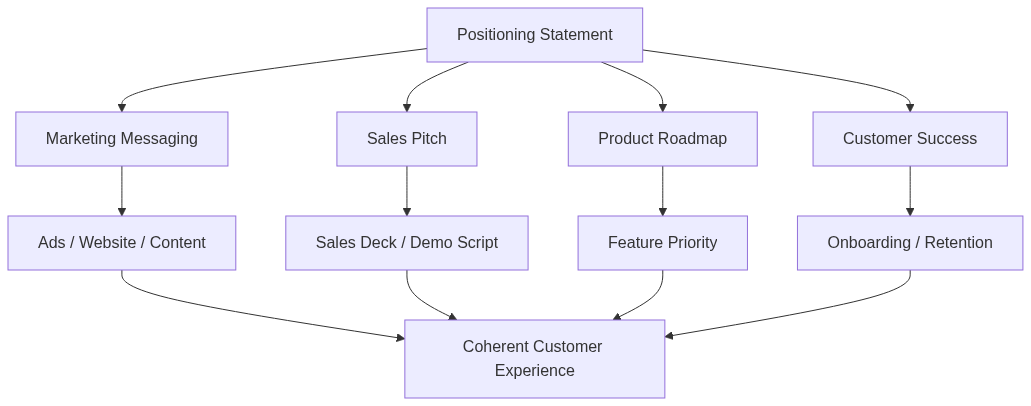
5 องค์ประกอบของ April Dunford Framework
Framework ของ Dunford ไม่ใช่ template แบบเติมคำ แต่เป็น “ลำดับการคิด” ที่ทีมต้องทำตามขั้นตอน — ข้ามไม่ได้ เพราะแต่ละขั้นต่อยอดจากขั้นก่อนหน้า
1. Competitive Alternatives
ถามว่า “ถ้าผลิตภัณฑ์คุณหายไป ลูกค้าจะไปทำอะไรแทน” — คำตอบไม่จำเป็นต้องเป็น direct competitor เสมอ อาจเป็น:
- Status quo — ใช้ Excel/Google Sheet ต่อไป
- DIY — จ้าง freelance หรือทำเองในทีม
- Adjacent solution — ใช้ tool อื่นที่ทำได้ใกล้เคียง
นี่คือจุดที่หลายบริษัท B2B ไทย “เข้าใจผิด” — มัวแต่เทียบกับคู่แข่งใน category เดียวกัน ทั้งที่ลูกค้าจริง ๆ เปรียบเทียบกับ “ไม่ทำอะไรเลย”
2. Unique Attributes
Feature, capability หรือ approach ที่คุณมี แต่ alternatives ไม่มี — ต้องเป็นสิ่งที่พิสูจน์ได้ (provable) ไม่ใช่ adjective อย่าง “ดีที่สุด” หรือ “เร็วที่สุด”
3. Value (and Proof)
แปลง unique attributes เป็น business outcome ที่ลูกค้าได้รับ พร้อมหลักฐาน — ไม่ใช่ “ทำให้ campaign ดีขึ้น” แต่เป็น “ลด CAC ได้อย่างชัดเจนใน 60 วัน (อ้างจาก case study จริง)”
4. Target Market Characteristics
ไม่ใช่แค่ demographic (“CMO บริษัท 200 คนขึ้นไป”) แต่คือ characteristics ที่ทำให้ลูกค้ากลุ่มนี้ care มากที่สุดเกี่ยวกับ value ของคุณ — เช่น “ทีม marketing ที่มี budget paid media >500K/เดือนและไม่มี in-house analytics”
5. Market Category
Category ที่คุณเลือกจะอยู่ — เพราะ category กำหนด “frame of reference” ที่ลูกค้าใช้ประเมินคุณ การเลือก category ผิด = ถูกเปรียบเทียบกับคู่แข่งผิดกลุ่ม
| องค์ประกอบ | คำถามที่ต้องตอบ | Output |
|---|---|---|
| Competitive Alternatives | ถ้าเราไม่มี ลูกค้าทำอะไร? | List 3-5 alternatives |
| Unique Attributes | เรามีอะไรที่คนอื่นไม่มี? | 3-5 capabilities |
| Value | Attributes แปลเป็น outcome ยังไง? | 2-3 measurable benefits |
| Target Market | ใคร care เรื่องนี้มากที่สุด? | Characteristics + segment |
| Market Category | เราอยู่ใน category อะไร? | 1 category พร้อมเหตุผล |
วิธีออกแบบ Positioning Statement ใน 5 ขั้นตอน
ขั้นที่ 1: รวบรวม “Why we won” จาก sales team
จัด workshop 2 ชั่วโมงกับ sales rep ที่ปิดดีลล่าสุด 10-15 ราย — ถามว่า “ลูกค้าบอกว่าทำไมถึงเลือกเราแทน X” คำตอบจริงจากลูกค้าจะ surprise คุณเสมอ และมักไม่ตรงกับสิ่งที่ marketing คิด
ขั้นที่ 2: List competitive alternatives ที่แท้จริง
ดู deal ที่แพ้ใน CRM 6 เดือนล่าสุด — ลูกค้าไปไหน? ถ้า 40%+ “ไม่ตัดสินใจ” แสดงว่า status quo คือ alternative หลักของคุณ ไม่ใช่ competitor
ขั้นที่ 3: Map attributes → value
ใช้ตารางง่าย ๆ:
| Unique Attribute | So What? (Value) | Proof |
|---|---|---|
| API-first architecture | Integrate กับ MarTech stack ใน 1 วัน (vs. 2 สัปดาห์) | Case study X |
| Real-time attribution | เห็น ROAS ที่แท้จริงข้าม channel | Server-side tracking setup |
ขั้นที่ 4: Test กับ best customer 3-5 ราย
ส่ง draft positioning ให้ลูกค้าที่ love คุณมากที่สุด ถามว่า “ตรงกับเหตุผลที่คุณเลือกเรามั้ย” — ถ้าไม่ตรง = positioning ยัง off
ขั้นที่ 5: Roll out แบบ phased
- Week 1-2: Sales team training + new sales deck
- Week 3-4: Website hero + about page
- Week 5-8: Ad campaigns + content marketing
- Week 9-12: Measure CTR, demo-request rate, sales cycle length

Positioning Statement Template (Dunford Style)
Dunford เองไม่ชอบ template fill-in-the-blank แต่ให้ใช้เป็น “narrative document” ที่ครอบคลุม 5 องค์ประกอบ — รูปแบบที่เราใช้กับลูกค้า B2B ไทย:
For [target market characteristics] ที่กำลังพิจารณา [competitive alternatives],
[product name] คือ [market category] ที่ [unique attributes],
ทำให้คุณได้ [value with proof] — ต่างจาก alternatives ที่ [limitation]
ตัวอย่าง (สมมุติ — สำหรับเรียนรู้ structure)
“For ทีม marketing B2B SaaS ไทยที่ใช้ paid media >500K/เดือน และกำลังพิจารณาจ้าง in-house analyst หรือใช้ GA4 เพียว ๆ, MarTech Stack X คือ B2B attribution platform ที่ออกแบบให้ติดตั้งใน 1 วันโดยไม่ต้องมี developer, ทำให้คุณเห็น true ROAS ข้าม channel ภายใน 7 วัน (vs. 6 สัปดาห์สำหรับ enterprise tool) — ต่างจาก in-house analyst ที่ใช้เวลา 3-6 เดือนสร้าง dashboard”
Headlines ที่ derive จาก positioning
Positioning statement ไม่ใช่ตัว headline — แต่เป็น “source material” ที่ headline ดึงไปใช้:
- Website hero: “See True ROAS Across Channels in 7 Days, Not 6 Weeks”
- LinkedIn Ad: “B2B Marketing Team Burning Budget on Wrong Channels?”
- Cold Email: “ใช้ GA4 แต่ยังไม่รู้ว่า campaign ไหนสร้าง pipeline จริง?”
ทั้ง 3 headline พูดเรื่องเดียวกัน แต่ adapt สำหรับ channel — เพราะ positioning เดียวกัน
ผิดพลาดที่พบบ่อย (5 Pitfalls)
1. ใช้ positioning เป็น marketing tagline
Positioning = internal document, tagline = external creative — เอามาเป็น hero copy ตรง ๆ มักได้ผลลัพธ์ที่ “ถูกต้องแต่ไม่มี emotion”
วิธีแก้: เก็บ positioning เป็น Google Doc สำหรับทีม แล้วให้ copywriter derive messaging ออกมา
2. เปรียบเทียบกับ direct competitor เท่านั้น
70% ของ B2B deals “แพ้” ให้ status quo ไม่ใช่ competitor — ถ้า positioning ไม่จัดการ inertia ของลูกค้า campaigns จะไม่ขยับ funnel
วิธีแก้: List alternatives ให้ครบ 3 ประเภท (status quo, DIY, adjacent)
3. Unique attributes ที่พิสูจน์ไม่ได้
“AI-powered”, “best-in-class”, “enterprise-grade” — ไม่ใช่ attributes, เป็น adjectives เปล่า
วิธีแก้: ทุก attribute ต้องตอบคำถาม “How do we know?” ได้ด้วย metric, certification หรือ demonstrable feature
4. Target market กว้างเกิน
“SMEs ในไทย” = ไม่ใช่ positioning เพราะ characteristics หลากหลายเกินไป — value ที่ design สำหรับทุกคน = ไม่ resonate กับใครเลย
วิธีแก้: บีบให้แคบจนรู้สึก “แคบเกินไป” แล้วค่อยขยายตามผลจริง
5. ไม่ revisit เมื่อตลาดเปลี่ยน
Positioning ที่ work ปี 2024 อาจ off ปี 2026 หลัง competitive landscape, regulation (เช่น cookieless), หรือ economic condition เปลี่ยน
วิธีแก้: Review ทุก 6 เดือน — ถ้า win rate ลด, sales cycle ยาวขึ้น, หรือ demo-to-close ratio ตก = signal ต้อง re-position
Real-world Example
📝 แนะนำให้อ่าน case studies ของ Dunford ใน aprildunford.com ซึ่งมีตัวอย่างจริงของ Help Scout, Postman และอื่น ๆ
สำหรับ context ตลาดไทย — พบ pattern ที่เกิดบ่อยใน B2B SaaS ไทยช่วงปี 2025-2026: บริษัทที่ re-position จาก “all-in-one marketing platform” เป็น “vertical-specific tool” (เช่น สำหรับ healthcare, real estate, B2B manufacturing) มักเห็น demo-request rate เพิ่มขึ้นชัดเจนภายในไม่กี่เดือน — เพราะ category ที่แคบลงทำให้ messaging ตรงกับ pain ของกลุ่มเป้าหมายมากขึ้น
FAQ
Positioning statement ต่างจาก value proposition ยังไง?
positioning statement คือ context ระดับบริษัทที่กำหนดว่าคุณคือใครในตลาด, ใครคือ target, และต่างจาก alternatives ยังไง — เป็น internal document Value proposition คือ promise ระดับ product/feature ที่บอกประโยชน์ที่ลูกค้าได้ — เป็น external messaging Positioning เป็น “umbrella” ที่ value proposition หลายอันอยู่ใต้
ควร update positioning statement บ่อยแค่ไหน?
Review ทุก 6 เดือน, update เมื่อมี trigger สำคัญ — เช่น launch product line ใหม่, มี competitor ใหญ่เข้าตลาด, หรือ shift target segment ปกติ B2B positioning จะ stable 12-18 เดือน แต่ messaging ที่ derive ออกมาควร refresh ทุก quarter
ใครควรเป็นเจ้าของ positioning ในบริษัท?
CMO หรือ Head of Product Marketing เป็น owner แต่กระบวนการต้อง involve sales (เพราะมี front-line insight), product (เพราะรู้ capability จริง) และ CEO (เพราะ positioning กระทบกลยุทธ์บริษัท) Workshop 2-3 ครั้งกับทุกฝ่ายดีกว่าให้ marketing เขียนคนเดียว
Positioning ใช้กับ paid media ยังไง?
Positioning กำหนด audience targeting (target market characteristics), ad copy angle (unique attributes + value) และ landing page narrative (alternatives + differentiation) ดู Attribution model guide เพื่อ measure ว่า positioning ใหม่ส่งผลต่อ funnel จริงรึเปล่า
Startup ขนาดเล็กควรลงทุนทำ positioning จริงจังมั้ย?
ยิ่ง early-stage ยิ่งสำคัญ — เพราะ budget จำกัด ถ้า positioning ผิด = burn cash ไปกับ audience ผิด/messaging ผิด Dunford แนะนำว่า startup ควรทำ positioning workshop ครั้งแรกก่อน paid acquisition seriously และ revisit หลังได้ first 20-30 paying customers
สรุป + ขั้นตอนต่อไป
positioning statement ที่ดีตาม April Dunford framework คือเอกสารภายในที่ตอบ 5 คำถาม — alternatives, attributes, value, target market, category — เพื่อให้ทีมทั้งบริษัทพูดเรื่องเดียวกันและลูกค้าเข้าใจว่า “ทำไมต้องเลือกคุณ” ภายใน 30 วินาที
3 takeaway ที่ควรลงมือทำสัปดาห์นี้:
- Audit deal ที่แพ้ 6 เดือนล่าสุด — ถ้า 40%+ แพ้ status quo = positioning ของคุณ off
- Interview sales rep 3 คน ถามว่า “ลูกค้าจริง ๆ บอกว่าเลือกเราเพราะอะไร” — บันทึก verbatim
- Draft positioning statement v1 ด้วย template ในบทความนี้ แล้วทดสอบกับลูกค้า best-fit 3 ราย ก่อน roll out
อยากเข้าใจวิธีนำ positioning ไป operationalize ผ่าน MarTech stack ลึกขึ้น → อ่าน Marketing Framework B2B Guide หรือดู All Pillar Hubs สำหรับ deep dive แต่ละหัวข้อ — และถ้าต้องการ benchmark positioning กับ paid media performance ลองเริ่มจาก Looker Studio dashboard template ของเรา