Messaging Hierarchy คู่มือจัดลำดับสารแบรนด์ B2B 2026
Messaging hierarchy คือกรอบจัดลำดับสารแบรนด์ให้ทุก touchpoint พูดเรื่องเดียวกัน เรียนรู้วิธีสร้าง framework สำหรับ B2B ไทยพร้อมเทมเพลตใช้งานจริง

Messaging Hierarchy — จัดลำดับสารแบรนด์ให้ทุก Touchpoint พูดตรงกัน ปี 2026
Last updated: 2026-06-09 · โดย Brad K
ลองนึกภาพลูกค้า B2B ที่กำลังเปรียบเทียบ vendor 3 เจ้าในกระบวนการตัดสินใจ พวกเขาเปิดเว็บ อ่าน LinkedIn ฟัง sales demo และดู case study — แต่กลับเจอ “เนื้อหา 4 เวอร์ชัน” จากแบรนด์เดียวกัน เว็บบอกว่าเราคือ “AI platform” sales บอกว่า “บริการที่ปรึกษา” ส่วน case study พูดเรื่อง “ROI optimization” ผลลัพธ์ที่ได้คือ confusion และ deal ที่หลุดมือไป B2B buyer จำนวนมากตัดผู้ขายออกจาก shortlist เพราะ “messaging ไม่ consistent” — ปัญหาที่เจ็บปวดสำหรับทีมการตลาดที่ลงทุน content ปีละหลายล้านบาท ทางออกอยู่ที่การสร้าง messaging hierarchy ที่ทุกคนในองค์กรเข้าใจและใช้งานได้จริง
Key Takeaways: Messaging hierarchy คือโครงสร้างจัดลำดับสารตั้งแต่ core idea ระดับสูงสุดลงมาจนถึง proof point ระดับยุทธวิธี เป้าหมายคือทำให้ทุก touchpoint (เว็บ, ads, sales deck, support) ส่งสารที่สอดคล้องกัน ปี 2026 brand ที่มี hierarchy ชัดเจนปิด deal ได้เร็วขึ้นและมี brand recall สูงกว่าอย่างชัดเจน การสร้าง hierarchy ที่ดีต้องประกอบด้วย 4 ชั้น: core message, value pillars, supporting messages, และ proof points พร้อม governance ที่ทำให้ทีมใช้งานต่อเนื่อง
Messaging Hierarchy คืออะไร และทำไม B2B ต้องมี
Messaging hierarchy คือเอกสารกลางที่จัดโครงสร้าง “สิ่งที่แบรนด์อยากบอก” จากระดับนามธรรมที่สุด (core message / brand promise) ลงมาเป็นข้อความที่จับต้องได้ (feature benefit + proof) เปรียบเหมือน “พีระมิด” ที่ทุกชั้นเชื่อมโยงกันอย่างมีตรรกะ ทีม marketing, sales, product และ customer success ใช้เอกสารนี้เป็น single source of truth ก่อนสร้าง content หรือพูดคุยกับลูกค้า
ในบริบท B2B ที่ buying cycle ที่ยาวหลายเดือนและมี stakeholder หลายคน ความ consistent ของสารคือปัจจัยชี้ขาด lead ที่เคยฟัง pitch จาก SDR ต้องเจอเรื่องเดียวกันใน case study และ proposal ไม่งั้น trust จะพังทันที
องค์ประกอบหลัก 4 ชั้นของ Hierarchy
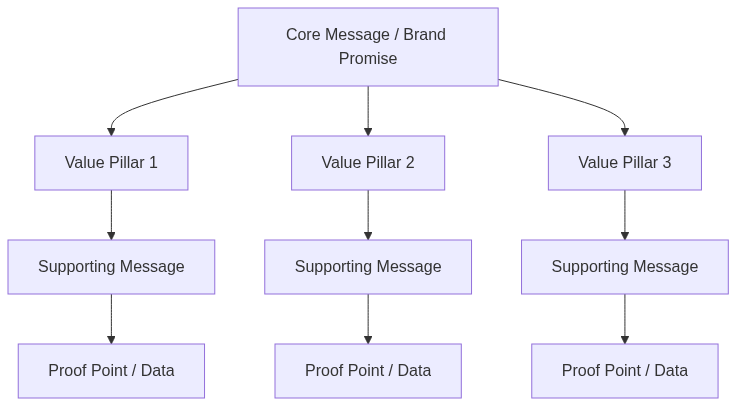
แต่ละชั้นมีหน้าที่ต่างกัน:
- Core message — ประโยคเดียวที่ตอบ “ทำไมเราถึงสำคัญ” (12-15 คำ)
- Value pillars — 3 เสาหลักที่ support core message
- Supporting messages — รายละเอียดที่ขยาย pillar แต่ละตัว
- Proof points — ข้อมูล, case study, third-party validation
ความต่างระหว่าง Messaging Hierarchy กับ Brand Story
หลายคนสับสนว่า hierarchy = brand story แต่จริงๆ ต่างกัน Brand story คือ narrative เชิงอารมณ์ ส่วน hierarchy คือ “blueprint” ที่บอกว่าสารไหนใช้ตอนไหน Hierarchy ทำหน้าที่ operational — ให้ทีมที่ไม่ใช่ creative ก็เขียน copy ได้ตรง ในขณะที่ story เป็น strategic foundation อ่าน framework ที่กว้างกว่านี้ได้ที่ Marketing Framework B2B Guide ของเรา
วิธีสร้าง Messaging Hierarchy ทีละชั้น
การสร้าง hierarchy ที่ใช้งานได้จริงต้องเริ่มจาก research ไม่ใช่ brainstorm ในห้องประชุม ทีมที่ข้าม step นี้มักได้ messaging ที่ “ฟังดูดี” แต่ไม่ resonance กับ buyer จริง
Step 1: Customer & Competitor Research
ก่อนแตะ Google Doc คุณต้องสัมภาษณ์ลูกค้าปัจจุบัน 8-12 ราย (มี framework ตามแบบ Jobs-to-be-Done) คำถามสำคัญ:
- อะไรคือ trigger ที่ทำให้คุณมองหา solution แบบเรา?
- คุณเปรียบเทียบกับใครบ้าง และเลือกเราเพราะอะไร?
- ถ้าต้องอธิบาย product ของเราให้เพื่อนฟัง 1 ประโยค คุณจะพูดว่าอะไร?
ขนาน research นี้กับ competitor messaging audit — สรุป positioning ของคู่แข่ง 5-7 รายลง spreadsheet เพื่อหา “white space” ที่ยังไม่มีใครจับจอง
Step 2: เขียน Core Message ที่ทดสอบได้
Core message ที่ดีต้องผ่าน 3 test:
1. Specific — ไม่ใช่คำลอยๆ อย่าง “innovative solution”
2. Differentiated — เปลี่ยนชื่อ brand เป็นคู่แข่งแล้วยังใช้ได้หรือเปล่า ถ้าใช้ได้ = แย่
3. Provable — มี evidence รองรับ
ตัวอย่าง core message ที่ดี: “เราช่วยทีม revenue ใน enterprise SaaS ลด CAC ได้อย่างมีนัยสำคัญ ด้วย attribution model ที่แม่นยำระดับ deal-level” — มีกลุ่มเป้าหมาย, ผลลัพธ์, mechanism
Step 3: กำหนด Value Pillars 3 ตัว

ทำไมต้อง 3? เพราะ buyer จำได้แค่ 3 จุดต่อ session (Miller’s Law) ถ้ามี 5-7 pillar = ไม่จำเลย
Step 4: เขียน Supporting Messages + Proof
แต่ละ pillar ต้องมี supporting message 2-3 ประโยค + proof point อย่างน้อย 1 ตัว Proof ที่แข็งแกร่งที่สุดเรียงจากบนลงล่าง: third-party validation > customer data > internal benchmark > expert opinion
ดูแนวทาง measurement ที่ support claim ของคุณได้ที่ Attribution Model B2B Guide
การปรับ Messaging ตาม Audience และ Funnel Stage
Hierarchy ตัวเดียวไม่ได้แปลว่าใช้ “คำเดียวกัน” ทุกที่ — แต่หมายถึง “ความคิดเดียวกัน” ที่ปรับ tone และ depth ตามบริบท
Audience Layer: Persona-based Messaging
ใน B2B deal เดียวมี 3-4 persona ที่ต้องชนะ:
| Persona | สิ่งที่สนใจ | Message angle |
|---|---|---|
| Economic Buyer (CFO/CEO) | ROI, risk, payback period | ตัวเลขทางการเงิน, business case |
| Technical Buyer (CTO/IT) | Integration, security, scalability | Architecture diagram, compliance |
| End User (Marketing/Ops) | Ease of use, time saved | Workflow demo, productivity metric |
| Champion (Mid-manager) | Career win, internal politics | Case study คนคล้ายๆ ตัวเอง |
Core message ยังเหมือนเดิม แต่ proof point ที่หยิบใช้ต่างกัน
Funnel Stage: TOFU vs BOFU Messaging
- TOFU (awareness) — เน้น problem-centric ไม่ขาย เช่น blog “ทำไม attribution last-click ถึงพาคุณเสียงบ”
- MOFU (consideration) — เริ่ม positioning เทียบทางเลือก เช่น webinar comparison
- BOFU (decision) — proof หนัก เช่น ROI calculator, customer case
ดูวิธี orchestrate content ตาม funnel ได้ที่ MarTech Analytics & Tracking Guide
Channel Layer: Format ที่เหมาะกับ medium
LinkedIn ad รับได้ ~150 char, sales deck รับ paragraph ยาว, podcast รับ conversational tone — hierarchy ช่วยให้ทีมรู้ว่า “ตัด” ส่วนไหนได้บ้างโดยไม่หลุด core
Governance: ทำให้ Hierarchy ถูกใช้จริง
เอกสาร messaging ที่ดีที่สุดในโลกถ้าวางในโฟลเดอร์ Drive แล้วไม่มีใครเปิด = ขยะ การ implement คือสิ่งที่แยก brand ที่ชนะกับแพ้
สร้าง Living Document แทน PDF ตายๆ
ใช้ Notion / Coda ที่ link ไป asset จริง (templates, examples) ได้ทันที update version ทุก quarter ตาม customer interview รอบใหม่ ไม่ใช่ทำครั้งเดียวแล้วทิ้ง 3 ปี
Onboarding & Enablement Workshop
ทุก hire ใหม่ในทีม marketing/sales ต้องผ่าน 90-min workshop:
1. Read-through hierarchy
2. Role-play pitch 30 วินาที
3. Quiz: เลือก proof point ให้ตรง persona
ทีมที่ทำขั้นนี้ลด ramp-up time ของ AE ใหม่ลงได้อย่างชัดเจน
QA Checklist ก่อน Publish
ทุก content ก่อนปล่อยต้องผ่าน checklist:
– ☐ มี core message หรือ value pillar อย่างน้อย 1 ตัวสะท้อนใน headline?
– ☐ Proof point ที่ใช้อยู่ใน hierarchy หรือเป็น new evidence ที่ approve แล้ว?
– ☐ Tone ตรงกับ audience layer ที่กำหนด?
อ่านวิธีเลือกพาร์ทเนอร์ที่ช่วย enforce standard นี้ได้ที่ How to Choose B2B Ads Agency
ผิดพลาดที่พบบ่อยและวิธีแก้
จากการ audit messaging กว่า 40 บริษัท B2B ในไทย เราพบ pitfall ที่ซ้ำกันบ่อยที่สุด:
-
เขียน hierarchy ใน vacuum — ทีม marketing เขียนเองโดยไม่คุย sales/CS ผลคือ messaging “สวย” แต่ขายไม่ได้
แก้: invite sales lead + 2 CSM เข้า workshop ตั้งแต่ต้น -
Core message ที่ generic เกินไป — เช่น “we empower businesses to grow” — เปลี่ยนชื่อแบรนด์ก็ใช้ได้กับใครก็ได้
แก้: บังคับใส่ตัวเลข, segment, หรือ mechanism ที่ specific -
Proof point ที่ไม่อัปเดต — case study ปี 2022 ใช้ปี 2026
แก้: ตั้ง process refresh quarterly + ระบุวันที่ในเอกสาร -
ไม่มี channel adaptation — copy เว็บก็เอาไป paste LinkedIn ad
แก้: สร้าง message variant สั้น/กลาง/ยาวสำหรับแต่ละ pillar -
ใช้แค่ในทีม marketing — sales pitch คนละเรื่อง, support reply อีกเรื่อง
แก้: roll-out company-wide + วัด adoption ผ่าน content audit ปีละ 2 ครั้ง
Real-world Example
เร็วๆ นี้เราจะ publish case study ของลูกค้า B2B SaaS ไทยที่ rebuild messaging hierarchy ในไตรมาส Q1/2026 และเห็น SQL-to-Close rate เพิ่มขึ้นภายใน 90 วัน ติดตามที่หน้า Guides ของเรา
ระหว่างนี้ คุณสามารถศึกษา public framework จาก HubSpot Brand Voice Guidelines ซึ่งเป็น reference มาตรฐานของอุตสาหกรรม
FAQ
Messaging hierarchy ต่างจาก brand guidelines อย่างไร?
Brand guidelines ครอบคลุม visual identity (logo, color, typography) + voice/tone ส่วน messaging hierarchy เป็น subset ที่เจาะลึกเฉพาะ “เนื้อหาที่จะพูด” และโครงสร้างการพูด ทั้งสองต้องไปด้วยกัน
ต้องอัปเดต hierarchy บ่อยแค่ไหน?
แนะนำ review เบาๆ ทุก quarter (proof point refresh) และ overhaul ครั้งใหญ่เมื่อมี product pivot, target market expansion หรือ M&A อย่างน้อยปีละ 1 ครั้ง
บริษัทเล็ก (ทีม <10 คน) จำเป็นต้องมี messaging hierarchy ไหม?
จำเป็นมาก — เพราะทีมเล็กทุกคนคือ brand ambassador ถ้าไม่มี framework แต่ละคนจะพูดคนละเรื่อง ทำเวอร์ชัน 1-page ก็ได้ ไม่ต้องเป็น 30-page deck
Hierarchy กับ positioning statement ต่างกันยังไง?
Positioning statement = ประโยคเดียวที่บอก “เราเป็นใครในสายตาตลาด” (สำหรับ internal) ส่วน hierarchy = ระบบที่ขยาย positioning ไปสู่สารทุกระดับสำหรับใช้งานจริง positioning จึงเป็น input ของ hierarchy
ควรให้ใครเป็นเจ้าของ messaging hierarchy?
ในบริษัทขนาดกลาง-ใหญ่ มักเป็น Head of Marketing หรือ Brand Lead ส่วนสตาร์ทอัพมักเป็น founder/CMO ร่วมกัน สำคัญคือต้องมี “single owner” ที่ approve การเปลี่ยนแปลง ไม่ใช่ commit-by-committee
สรุป + ขั้นตอนต่อไป
Messaging hierarchy คือ infrastructure ที่ทำให้ marketing investment ทุกบาทขยายผลซึ่งกันและกัน แทนที่จะทำให้ลูกค้าสับสน 3 takeaway สำคัญที่ควรลงมือทันที:
- เริ่มจาก customer research ก่อน — สัมภาษณ์ลูกค้า 8-12 รายก่อนเขียน core message
- จำกัด pillar ที่ 3 ตัว — น้อยกว่านี้บางไป มากกว่านี้จำไม่ได้
- สร้าง governance + QA — เอกสารที่ไม่มีคนใช้ = ขยะ
ขั้นตอนต่อไปแนะนำให้อ่าน Marketing Framework B2B Guide เพื่อเข้าใจว่า messaging hierarchy เชื่อมกับ go-to-market strategy อย่างไร หรือ subscribe newsletter ของเราเพื่อรับ template hierarchy ที่ใช้ได้จริงในไตรมาสหน้า